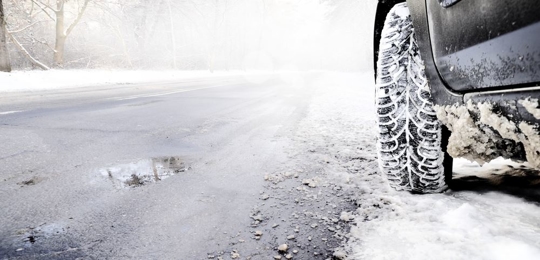
A painful fall on an icy sidewalk, parking lot, or apartment walkway doesn’t automatically make the person responsible for the property legally liable. In Pennsylvania, liability often turns on whether the ice was a widespread natural winter condition, an isolated hazard, or a condition created or worsened by poor maintenance.
That distinction must be investigated quickly because ice can melt, cleanup can alter the scene, and surveillance footage can be overwritten. At Mayerson Injury Law, P.C., we conduct prompt investigations to clarify what caused the fall and who controlled the area.
Contact our legal team today at (610) 492-7155 to discuss your slip and fall claim and learn about your legal options.
How Pennsylvania’s Hills & Ridges Doctrine Applies
The hills and ridges doctrine generally protects owners from liability for broadly slippery conditions caused by a natural accumulation of snow and ice after a storm.
For a claim based on natural winter conditions, an injured person generally must show that the snow or ice formed ridges or elevations that unreasonably obstructed travel, that the owner knew or should have known about the dangerous condition, and that the condition caused the fall. Constructive notice means the condition existed long enough that a reasonably attentive owner should have discovered it.
A general coating of snow or ice across an area isn’t usually enough by itself. Pennsylvania courts have also recognized that an owner ordinarily has a reasonable time after a storm ends to address naturally accumulated snow and ice, rather than a duty to clear every surface while precipitation remains active.
The doctrine can apply to homes, businesses, and municipal property. A fall at a store or on a public sidewalk therefore doesn’t by itself establish negligence.
When the Hills & Ridges Doctrine May Not Apply
The doctrine isn’t a blanket defense for every winter-related fall. The source, location, and appearance of the ice often determine whether it applies.
A localized patch of ice can present a different case from a generally snow-covered walkway. For example, if most of a parking lot was clear but one transparent patch remained at a building entrance, photographs and witness accounts could show that the danger was isolated rather than part of a widespread natural condition.
Property-Created Ice & Maintenance Work
The natural accumulation rule doesn’t protect a party whose negligence created the hazard. Water from a leaking gutter, defective downspout, broken drain, or poorly directed runoff that freezes on a walkway can point the investigation toward a property-created condition.
Winter maintenance work can also affect the analysis. Plowing, shoveling, or salting may leave water, pile snow where it melts and refreezes, or create a hazardous walking path. Depending on who owned, possessed, or controlled the location, a responsible party could be a homeowner, commercial business, landlord, property manager, or winter maintenance contractor.
Local Sidewalk Rules & Government Property Claims
Sidewalk clearing ordinances can help identify expected maintenance duties, but an ordinance violation doesn’t automatically establish civil liability. In Montgomery County, Pennsylvania, each borough or township sets its own clearing deadlines and path-width rules.
Several municipalities, including Abington, Lower Merion, Norristown, and Cheltenham, require sidewalks to be cleared within 24 hours under their local rules. Montgomery Township requires a 30-inch cleared path within 24 hours after a snow event ends. Plymouth Township allows 36 hours for sidewalk clearing.
Those local details can be relevant after a sidewalk fall, but the precise municipality matters. Identify the street address and determine whether the area was private property, a public right-of-way, or property maintained by a government entity before assuming who had responsibility.
A fall near a public building, park, transit stop, road, or municipally maintained sidewalk requires added urgency. Pennsylvania’s government claim notice requirement generally calls for written notice to a Commonwealth or local government entity within six months of the injury, separate from the usual lawsuit deadline. That deadline can arrive well before a person has finished medical treatment or received all bills.
How Comparative Negligence Affects Recovery
Pennsylvania uses modified comparative negligence, which means fault can be shared. If an injured person’s conduct contributed to the fall, any recovery is reduced by that person’s percentage of causal fault. A person found more at fault than the defendant can’t recover damages.
Seeing winter weather, wearing particular footwear, or choosing one route instead of another may become part of an insurer’s argument, but none of those facts alone decides the claim. The key questions remain what condition existed, how long it had been there, who controlled the area, and whether reasonable precautions were taken.
What to Do Before the Evidence Disappears
Most Pennsylvania personal injury lawsuits, including premises liability claims, must be filed within two years of the injury date. Claims involving children and government entities can have different timing rules, so delays in identifying who may be liable can create avoidable deadline problems.
Build a Record of the Injury & Hazard
Get medical attention promptly, even if you initially believe the injury is minor. A medical evaluation creates a record of what happened and can identify injuries that aren’t immediately obvious after a hard fall.
Take photographs or ask someone else to do so as soon as possible. Capture the exact location and the ice’s size and texture from close range and farther back. Also photograph the surrounding pavement, drains, gutters, piled snow, lighting, warning signs or cones, entryways, and the route people were expected to use. Write down the time of the fall, when the storm ended if you know it, and what employees, neighbors, or property representatives said afterward.
Preserve other evidence that may document the fall:
- Keep the shoes and clothing worn during the fall in their post-accident condition.
- Request a copy of any store, landlord, employer, or property-management incident report.
- Save witness names, medical records, weather details, and all communications from insurers.
- Act quickly to seek surveillance footage before a system records over it.
Why Each Winter Fall Requires a Fact-Specific Review
This article provides general information, not legal advice about a particular fall. Liability depends on the weather timeline, the condition of the surface, notice, control of the property, and the available evidence.
For a free consultation, contact Mayerson Injury Law, P.C. about your Slip & Fall claim. We offer contingency-fee representation, so there are no upfront attorney fees until a case is won or settled, and our team is available 24/7 by calling at (610) 492-7155.